Canine Parvovirus Vaccine: Why It Is Critical for Every Puppy in India
The canine parvovirus vaccine is one of the most important life-saving vaccines your puppy will ever receive. In India, where stray dog populations are high and environmental contamination is common, the risk of parvovirus infection is significantly greater than many pet parents realize.
Canine parvovirus (CPV) is a highly contagious viral disease that primarily affects puppies between 6 weeks and 6 months of age. Without timely vaccination, the mortality rate can be extremely high — especially in unvaccinated puppies.
If you are a new dog parent in India, this guide will help you understand:
- What canine parvovirus is
- Vaccination schedule in India
- Cost of canine parvovirus vaccine
- Side effects and safety
- Monthly healthcare budgeting
- Frequently asked questions
This article is written to help you make informed, ethical, and responsible decisions for your pet’s health.
What Is Canine Parvovirus?
Canine Parvovirus (CPV) is a viral infection that attacks:
- Intestinal lining
- Bone marrow
- Immune system
In severe cases, it can also affect the heart muscles of young puppies.
Common Symptoms of Parvo in Dogs
- Severe vomiting
- Bloody diarrhea
- Lethargy
- Loss of appetite
- Dehydration
- Fever
Parvovirus spreads through:
- Contaminated soil
- Feces of infected dogs
- Shoes, clothing, or surfaces
- Parks and public areas
The virus can survive in soil for months. That’s why vaccination is non-negotiable.
Canine Parvovirus Vaccine in India: Vaccination Schedule
The canine parvovirus vaccine is usually administered as part of a combination vaccine like:
- DHPP vaccine (Distemper, Hepatitis, Parvovirus, Parainfluenza)
- 5-in-1 or 7-in-1 vaccines
Puppy Vaccination Schedule (India Standard)
| Puppy Age | Vaccine |
|---|---|
| 6 weeks | First DHPP (includes parvovirus) |
| 9 weeks | Second DHPP booster |
| 12 weeks | Third DHPP booster |
| 16 weeks (optional in high-risk areas) | Final booster |
| 1 year | Annual booster |
| Every year | Booster dose |
Most Indian veterinarians follow this schedule, but always consult your local vet for region-specific recommendations.
Canine Parvovirus Vaccine Price in India (2026)
The cost of the canine parvovirus vaccine in India depends on the city, clinic, and vaccine brand.
Average Price Table
| Vaccine Type | Price Range (INR) |
|---|---|
| Single Parvo Vaccine | ₹300 – ₹600 |
| DHPP / 5-in-1 Vaccine | ₹500 – ₹900 |
| 7-in-1 Vaccine | ₹700 – ₹1200 |
| Vet Consultation Fee | ₹300 – ₹800 |
👉 In metro cities like Mumbai, Bangalore, and Delhi, prices may be slightly higher.
Total Puppy Vaccination Cost (First 3 Months)
You can expect to spend:
₹2,500 – ₹5,000 for complete core vaccination including parvovirus.
Is the Canine Parvovirus Vaccine Safe?
Yes, the canine parvovirus vaccine is extremely safe when administered by a licensed veterinarian.
Mild Side Effects (Common)
The canine parvovirus vaccine is very safe, and most dogs experience no side effects. However, like any medical intervention, short-term reactions can occasionally occur. These are generally mild and resolve on their own, though rare, more serious allergic reactions are possible .
Here is a summary of the potential short-term side effects:
Rare Side Effects
- Allergic reaction
- Vomiting
- Facial swelling
If symptoms last more than 24–48 hours, contact your vet immediately.
Why Parvo Risk Is Higher in India
India has:
- High stray dog population
- Open defecation areas
- Public parks with infected soil
- Warm climate (virus survives longer)
Because of these factors, skipping the canine parvovirus vaccine is very risky.
Puppies should not be taken to public parks until vaccination is complete.
Can Adult Dogs Get Parvovirus?
Yes, but it is less common if they are vaccinated regularly.
Unvaccinated adult dogs remain at risk, especially:
- Rescue dogs
- Adopted strays
- Dogs with unknown vaccination history
If you adopt a dog, consult a vet immediately for a vaccination restart protocol.
If you’re buying a puppy, make sure vaccination records are verified before adoption.
Importance of Booster DosesMany pet owners in India forget annual boosters.
⚠️ Skipping booster doses reduces immunity.
The canine parvovirus vaccine requires:
- Initial puppy series
- Annual booster
- Sometimes 3-year booster (as advised by vet)
Set reminders in your phone to avoid missing it.
Available Canine Parvovirus Vaccine Brands in India
1. CANIGEN® DHP is a specially designed vaccine for pups
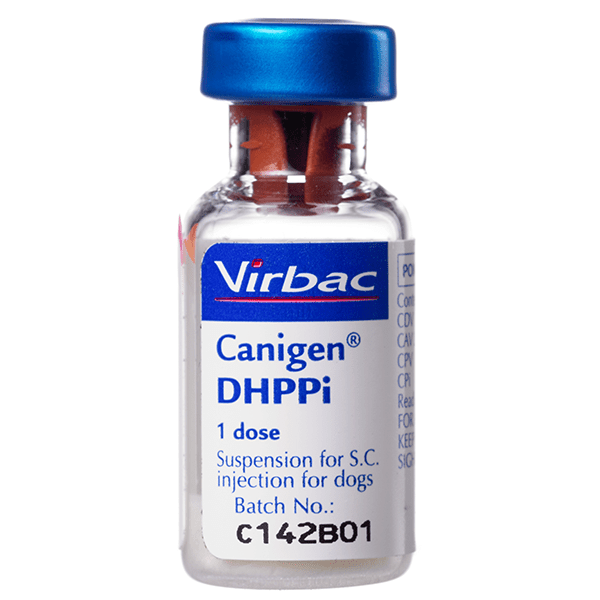
Virbac’s CANIGEN® DHP is a specially designed modified live vaccine for pups to help prevent the three core & fatal diseases – Canine Distemper, Canine Parvovirus Enteritis and Canine Hepatitis
WHAT IS CANIGEN® DHP?
CANIGEN® DHP is a specially designed, modified live vaccine for puppies from 6 weeks of age.
RECOMMENDED FOR active immunization of dogs from 6 weeks of age, to prevent mortality and clinical signs of canine Distemper, Canine Parvovirus Enteritis, and Canine Hepatitis
2. Megavac-P
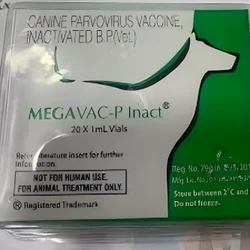
A standalone vaccine containing an inactivated canine parvovirus strain
Proper deworming is the first step before any vaccination. If parasites are present, they can reduce the effectiveness of vaccines like the canine parvovirus vaccine.
Make sure you follow the correct timeline by reading our complete guide:
The Complete Puppy Worming Schedule 2026 for Indian Puppies.
FAQs About Canine Parvovirus Vaccine
1. At what age should puppies get the canine parvovirus vaccine?
Puppies should receive their first dose at 6 weeks of age.
2. How many doses are required?
Usually 3 doses during puppyhood, followed by annual boosters.
3. Can my puppy go outside after first vaccine?
No. Wait until the full vaccination schedule is completed (around 12–16 weeks).
4. What happens if a puppy gets parvo without vaccination?
Hospitalization is required. Treatment can cost ₹10,000–₹40,000 and survival is not guaranteed.
5. Is the canine parvovirus vaccine mandatory in India?
It is not legally mandatory, but it is medically essential and strongly recommended.
6. Can vaccinated dogs still get parvo?
Rarely, but severity is much lower compared to unvaccinated dogs.